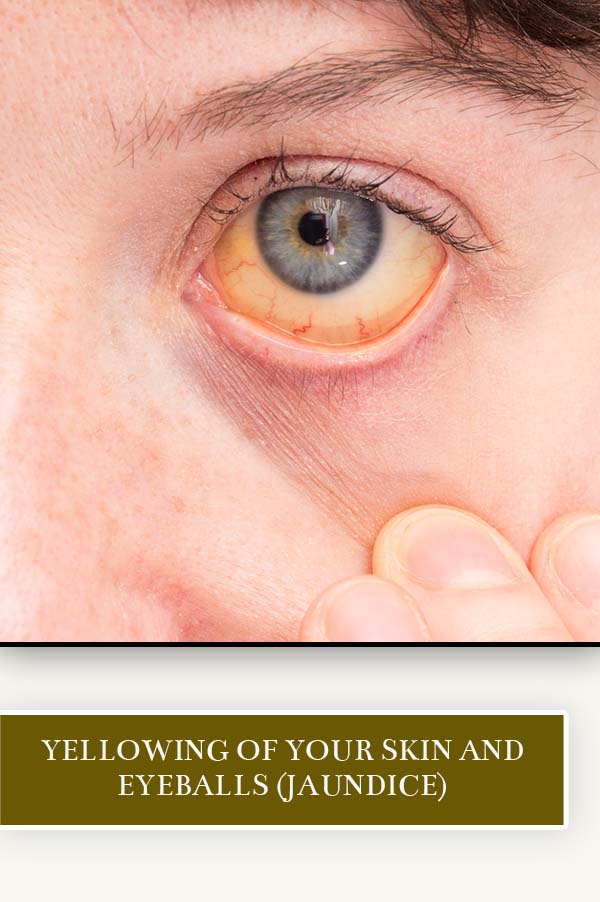
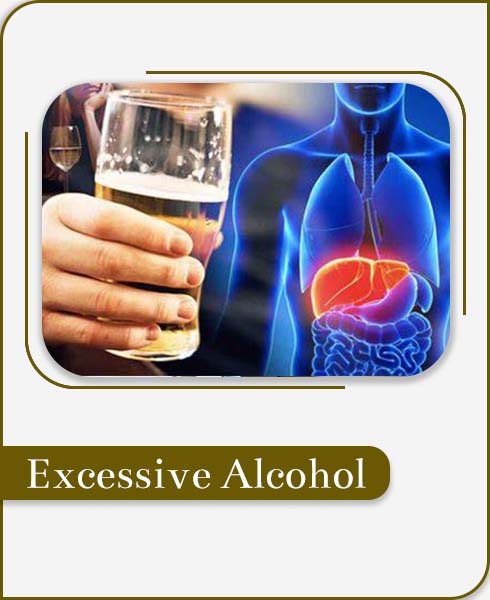
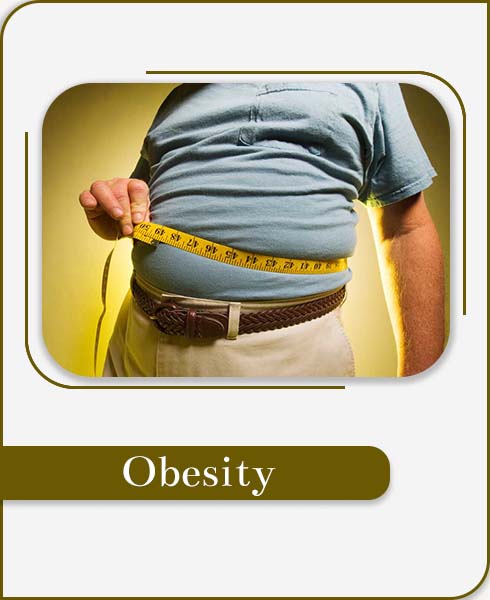
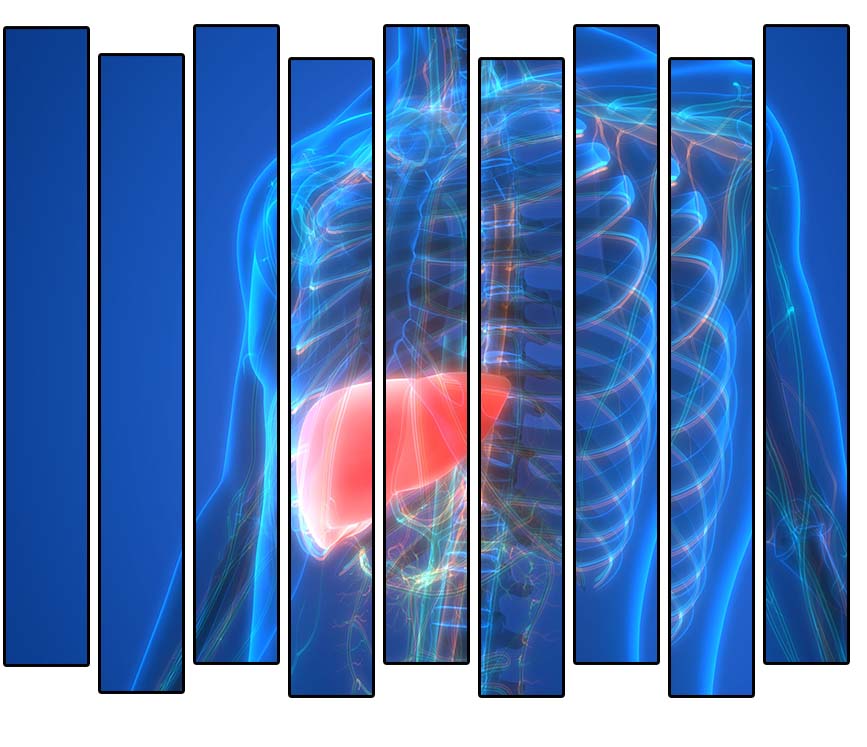
Liver disease can be inherited (genetic). Liver problems can also be caused by a variety of factors that damage the liver, such as viruses, alcohol use and obesity. Over time, conditions that damage the liver can lead to scarring (cirrhosis), which can lead to liver failure, a life-threatening condition. But early treatment may give the liver time to heal.
Symptoms
Reasons
Type of Liver Disease
Fatty Liver Disease
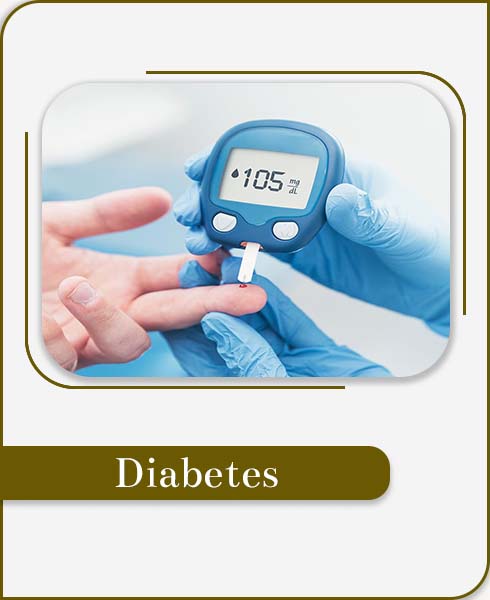
The accumulation of liver fat in people who drink little or no alcohol. The cause of non-alcoholic fatty liver disease (NAFLD) is unknown. Risk factors include obesity, gastric bypass surgery, high cholesterol and type 2 diabetes.
Hepatitis C
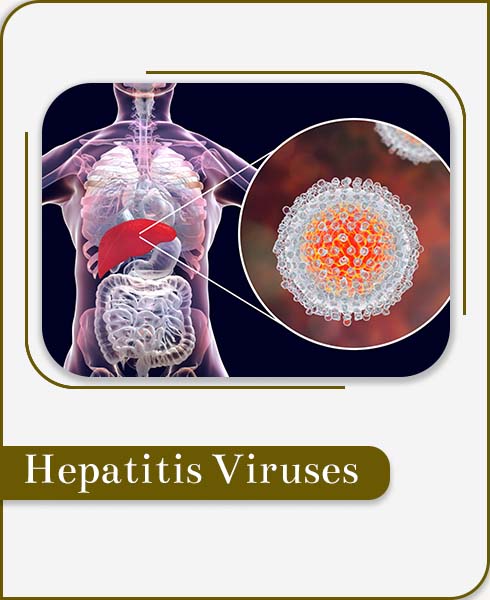
An infection caused by a virus that attacks the liver and leads to inflammation. The virus is spread by contact with contaminated blood; for example, from sharing needles or from unsterile tattoo equipment.
Hepatitis B
A serious liver infection caused by the hepatitis B virus that's easily preventable by a vaccine. This disease is most commonly spread by exposure to infected bodily fluids.
Cirrhosis of the Liver
Chronic liver damage from a variety of causes leading to scarring and liver failure. Hepatitis and chronic alcohol abuse are frequent causes. Liver damage caused by cirrhosis can't be undone, but further damage can be limited.
Hepatitis A
A highly contagious liver infection caused by the hepatitis A virus. Hepatitis A is preventable by vaccine. It spreads from contaminated food or water or contact with someone who is infected.
As per Ayurveda, liver is considered as the principle organ where Pitta (fire) is situated. Pachakagni or digestive fire apparently is manifested into seven
different forms known as dhatwagnis. Food we intake is converted into ahara rasa by this pachakagni or digestive fire. Then ahara rasa is converted into seven dhatus or seven body tissues in the order rasa, raktha, mamsa, meda, asthi, majja and sukla. Each dhatu contain this agni or fire principle which has three functions. It assimilates nutritional part from previous dhatu, keep its own metabolism in equilibrium and finally provide nutritional part to the subsequent dhatu. Rasa dhatwagni assimilate nutritional part from ahara rasa to nourish rasa dhatu and also provide nutritional part to next dhatu ie, raktha or blood tissue. Likewise Raktha dhatwagni assimilate nutrient portion from Rasa dhatu to nourish Raktha dhatu and provide nutrients to Mamsa dhatu or flesh. Thus quantity and quality of a dhatu is influenced by agni of previous dhatu, its own agni and agni of next dhatu. In the liver disease, failure of mamsa dhatwagni, medodhatwagni and asthidhatwagni results in increase of medodhatu. Abnormal accumulation of this medo dhatu or fat tissue eventually results in fatty liver disease. This accumulated fat cause blockage of subtle channels or srothas which carry medo dhatu and leads to further vitiation of fat metabolism. As liver is the main organ where metabolism of fat happens, any liver disorder hampers metabolism to a great extent.
As per Ayurveda, liver is considered as the principle organ where Pitta (fire) is situated. Pachakagni or digestive fire apparently is manifested into
seven different forms known as dhatwagnis. Food we intake is converted into ahara rasa by this pachakagni or digestive fire. Then ahara rasa is converted into seven dhatus or seven body tissues in the order rasa, raktha, mamsa, meda, asthi, majja and sukla. Each dhatu contain this agni or fire principle which has three functions. It assimilates nutritional part from previous dhatu, keep its own metabolism in equilibrium and finally provide nutritional part to the subsequent dhatu. Rasa dhatwagni assimilate nutritional part from ahara rasa to nourish rasa dhatu and also provide nutritional part to next dhatu ie, raktha or blood tissue. Likewise Raktha dhatwagni assimilate nutrient portion from Rasa dhatu to nourish Raktha dhatu and provide nutrients to Mamsa dhatu or flesh. Thus quantity and quality of a dhatu is influenced by agni of previous dhatu, its own agni and agni of next dhatu. In the liver disease, failure of mamsa dhatwagni, medodhatwagni and asthidhatwagni results in increase of medodhatu. Abnormal accumulation of this medo dhatu or fat tissue eventually results in fatty liver disease. This accumulated fat cause blockage of subtle channels or srothas which carry medo dhatu and leads to further vitiation of fat metabolism. As liver is the main organ where metabolism of fat happens, any liver disorder hampers metabolism to a great extent.