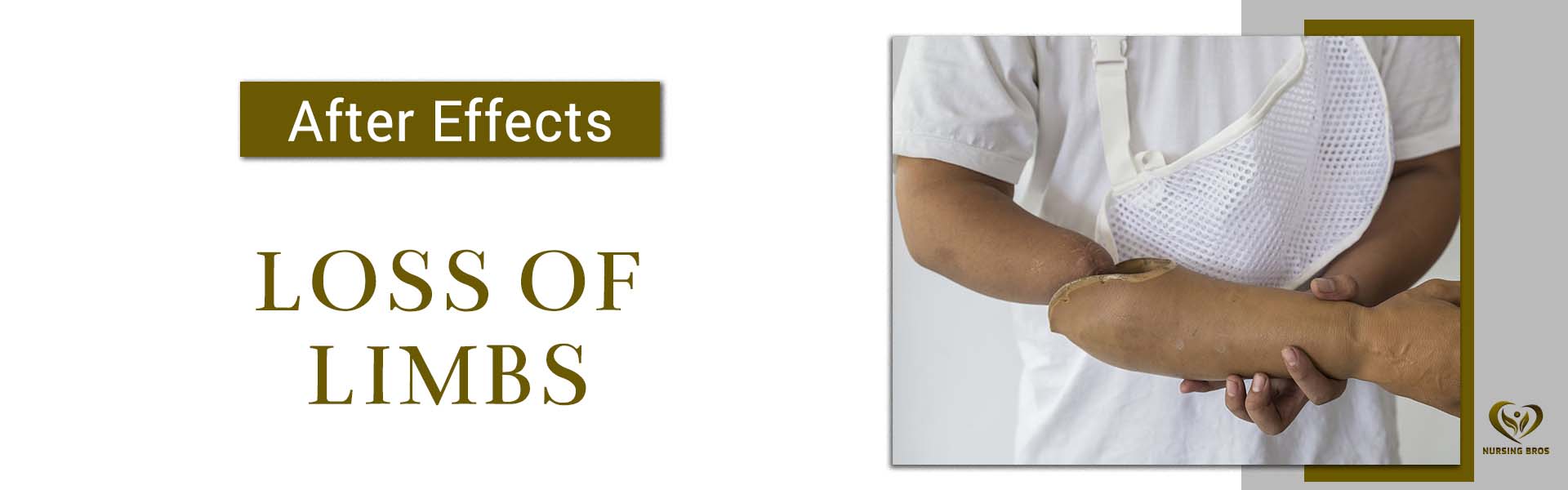
Chronic Diabetic condition if left untreated may lead to severe and life-threatening complications as Cardiovascular disease, Nerve damage (neuropathy), Kidney damage (nephropathy), Eye damage (retinopathy), Foot damage (diabetic foot), Skin conditions, Hearing impairment, Alzheimer’s disease, depression etc.
Symptoms
Reasons
As per Ayurveda, Diabetes is termed as Madhumeha, and is considered to be a Kapha disorder, as the Agni function is diminished. Due to it, metabolic rate in
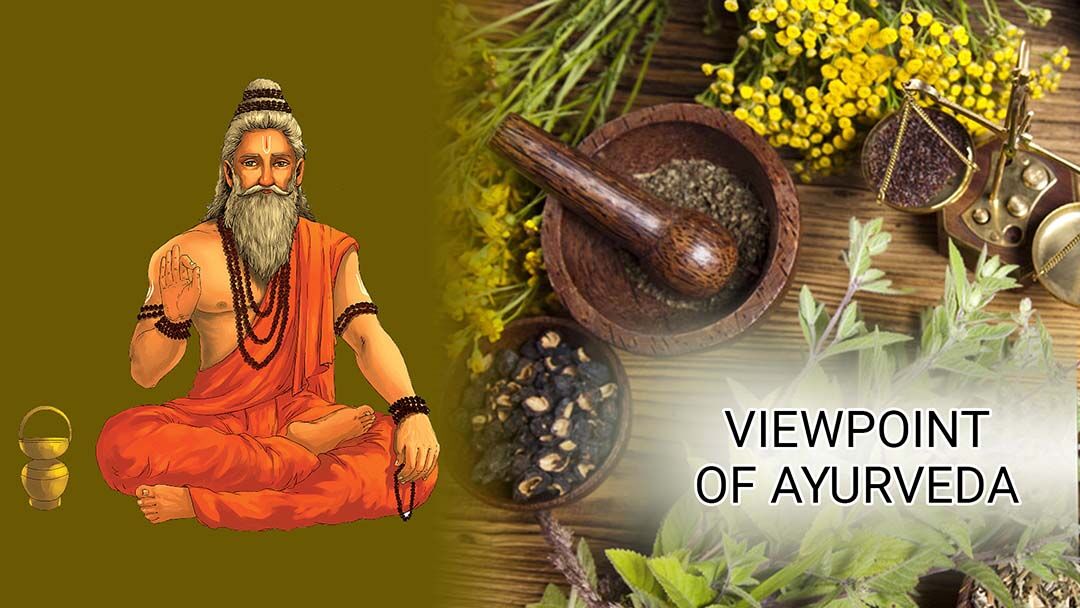
the body becomes low, which tends to build up of elevated sugar levels in the blood. Ayurveda describes that although Diabetes is predominately a Kapha disorder, it is also influenced by the imbalance of Vata, and to some extent Pitta in the body. Ayurveda is capable of having huge impact on the diabetic patient’s lifespan and metabolism, with an orientation on mind–body connection, nutrition, exercise, lifestyle modifications, and consumption of traditional herbs. Studies show that the chronic diabetic conditions are best managed with lifestyle modifications, which includes consuming herbs to balance all the three Doshas, along with proper nutrition and exercises.
As per Ayurveda, Diabetes is termed as Madhumeha, and is considered to be a Kapha disorder, as the Agni function is diminished. Due to it, metabolic rate in
the body becomes low, which tends to build up of elevated sugar levels in the blood. Ayurveda describes that although Diabetes is predominately a Kapha disorder, it is also influenced by the imbalance of Vata, and to some extent Pitta in the body. Ayurveda is capable of having huge impact on the diabetic patient’s lifespan and metabolism, with an orientation on mind–body connection, nutrition, exercise, lifestyle modifications, and consumption of traditional herbs. Studies show that the chronic diabetic conditions are best managed with lifestyle modifications, which includes consuming herbs to balance all the three Doshas, along with proper nutrition and exercises.